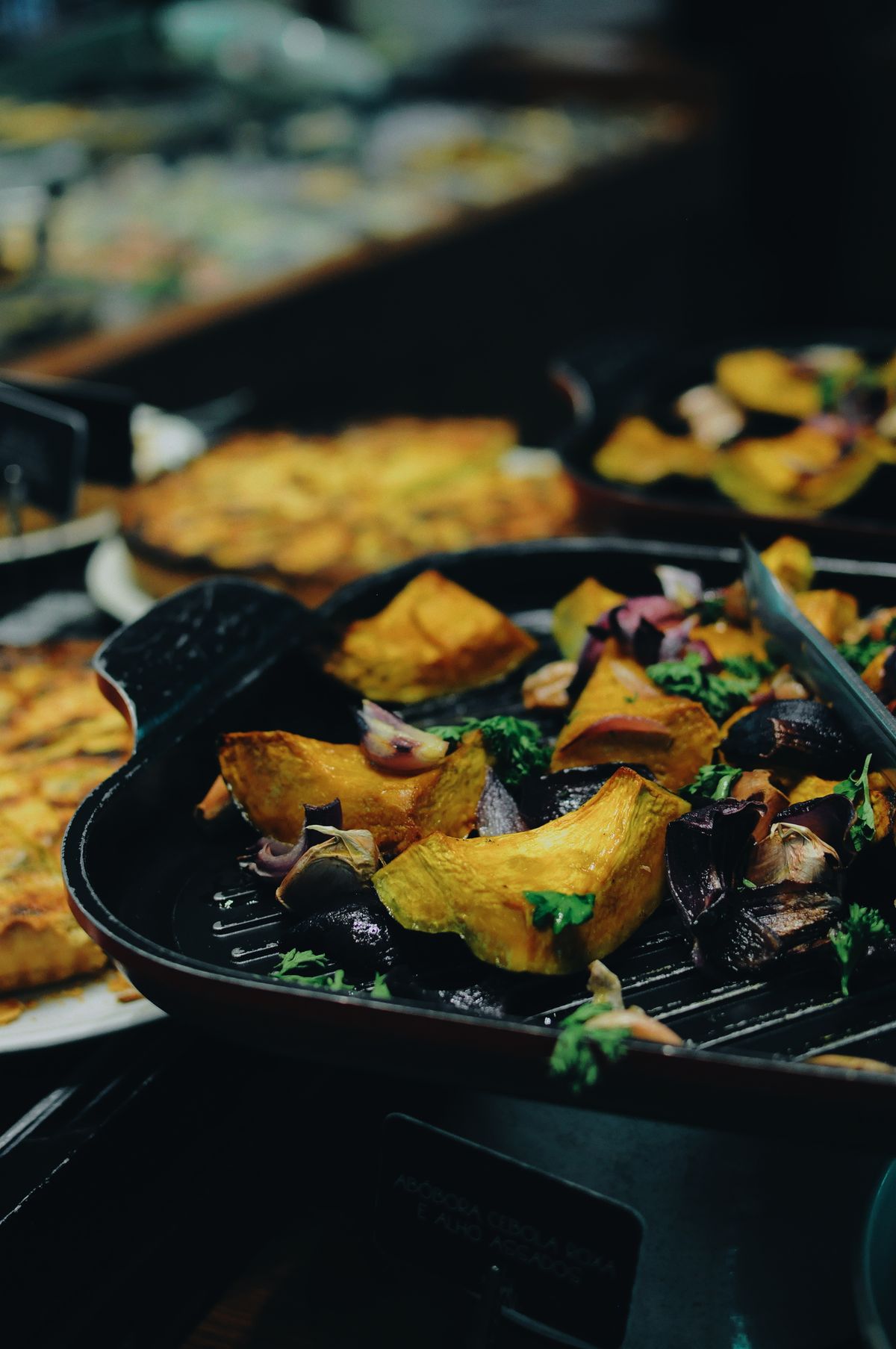
Useful for searing, frying, browning, eggs, vegetables, and recipes where surface area matters more than depth.
KitchenVale Buying Guides
Choose with confidence
The right kitchen piece starts with the way you actually cook, prepare, organize, and serve. Use these guides to compare purpose, size, everyday practicality, and the role each product will play in your kitchen.
Guide finder
Start with what you need to solve
Begin with the kitchen task rather than the product name. Once the purpose is clear, size, shape, storage space, care, and frequency of use become much easier to compare.
01
Cookware
Compare skillets, saucepans, stockpots, Dutch ovens, and braziers by cooking method and capacity.
02 BakewareThink through oven size, recipe type, portion size, depth, and how often the piece will move from oven to table.
03 Knives & PrepChoose knives, boards, sharpeners, and utensils around the ingredients and preparation work you do most often.
04 StorageMeasure shelves first, then choose containers, canisters, pantry bins, and racks around what needs a home.
05 DiningBuild plates, bowls, flatware, glasses, mugs, and tumblers around everyday use before special occasions.
06 ServingMatch platters, trays, boards, coffee, tea, and bar tools to how you normally gather and entertain.

Start with the task
Let your routine narrow the choices
A product can look right and still be wrong for the way you use your kitchen. Before comparing styles, identify the job you need the product to do most often.
Frequency
If you will use it several times a week, prioritize everyday handling, storage, cleaning, and versatility.
Capacity
Choose for your normal meal size rather than the largest occasion you might host once or twice a year.
Space
Check stovetop, oven, drawer, cabinet, pantry, and counter dimensions before adding something new.
Care
Consider how much cleaning, drying, sharpening, seasoning, or hand care fits comfortably into your routine.
Cookware & Bakeware
Match the vessel to the cooking method
Start by thinking about heat, liquid, cooking time, portion size, and whether the recipe begins on the stovetop, finishes in the oven, or stays in one place from start to finish.
Think about sauces, grains, soups, pasta, boiling, and recipes that benefit from taller sides and more contained liquid.
Consider these when your cooking involves braising, long simmers, larger one-pot meals, or recipes moving between heat sources.
Sheet pans favor open roasting and baking, while deeper cake pans, roasters, and dishes support contained recipes and larger portions.
The five-question check
Ask these before adding anything
A short decision framework can prevent unnecessary purchases and help you choose products that earn their place in the kitchen.
Knives & Preparation
Match the blade to the prep you do most
A useful knife setup does not need to be complicated. Start with the ingredients you prepare most often, then think about cutting surface, sharpening, grip, storage, and the supporting tools around the knife.
Chef-style work
Prioritize a versatile blade for chopping, slicing, dicing, and a wide range of everyday ingredients.
Utility tasks
A more compact knife can be useful when the work is smaller and a full chef knife feels excessive.
Cutting surface
Choose a board large enough for your normal preparation so ingredients and the knife have room to move safely.
Maintenance
Consider how sharpening, drying, storage, and cleaning will fit into your normal kitchen routine.

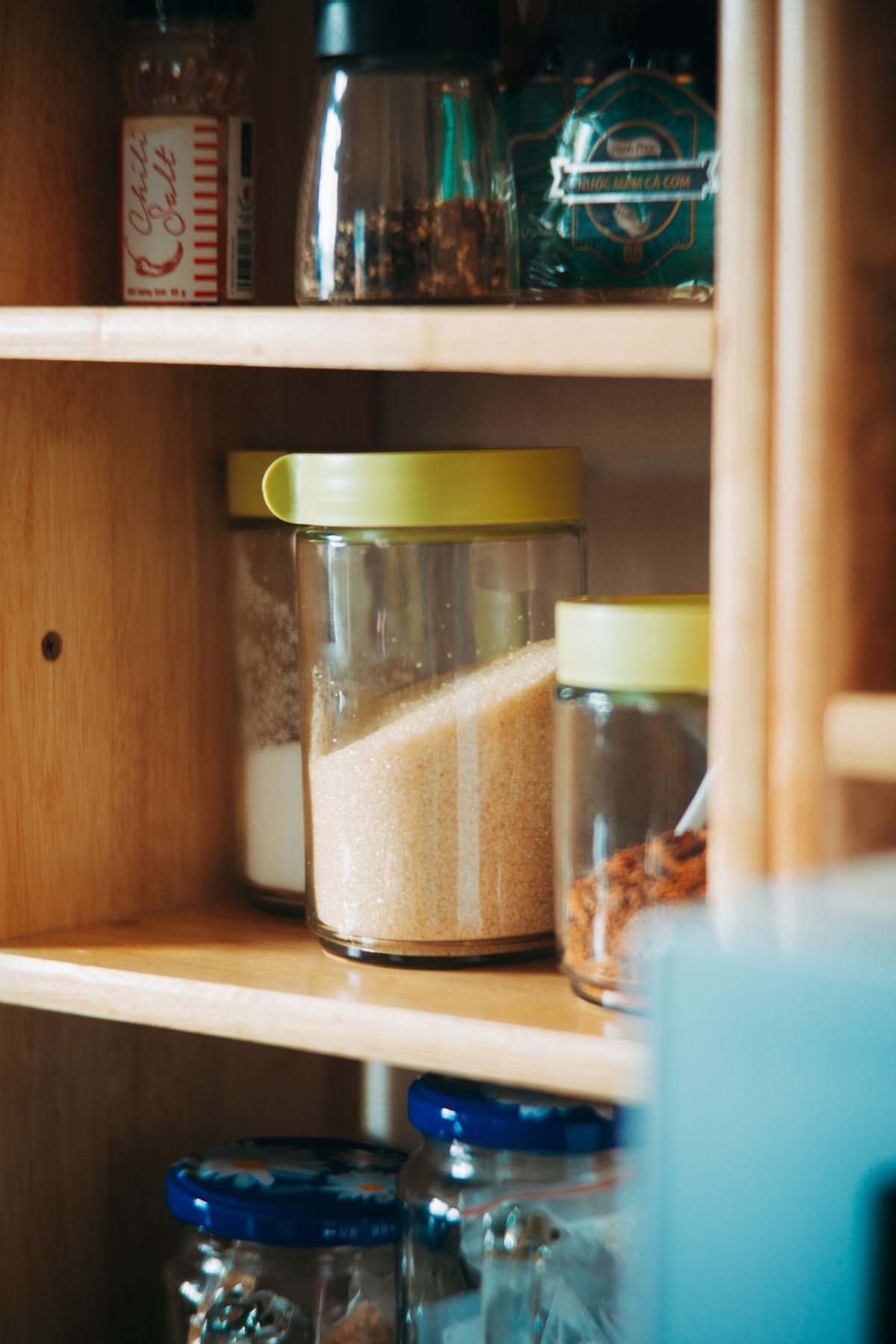
Storage Buying Guide
Measure first, organize second
Storage works best when it is planned around the cabinet, shelf, pantry, or counter you already have. Start with dimensions, then decide what needs visibility, containment, stacking, or easier access.
- Measure usable shelf width, depth, and height rather than relying on the outside dimensions of the cabinet.
- Group products by purpose before deciding how many containers, bins, or canisters you need.
- Consider whether you need transparent storage for visibility or more concealed storage for visual calm.
- Check whether containers must stack, nest, fit beneath shelves, or work inside drawers.
- Leave some unused space so the storage system remains easy to maintain after normal grocery restocking.
Dining & Serving
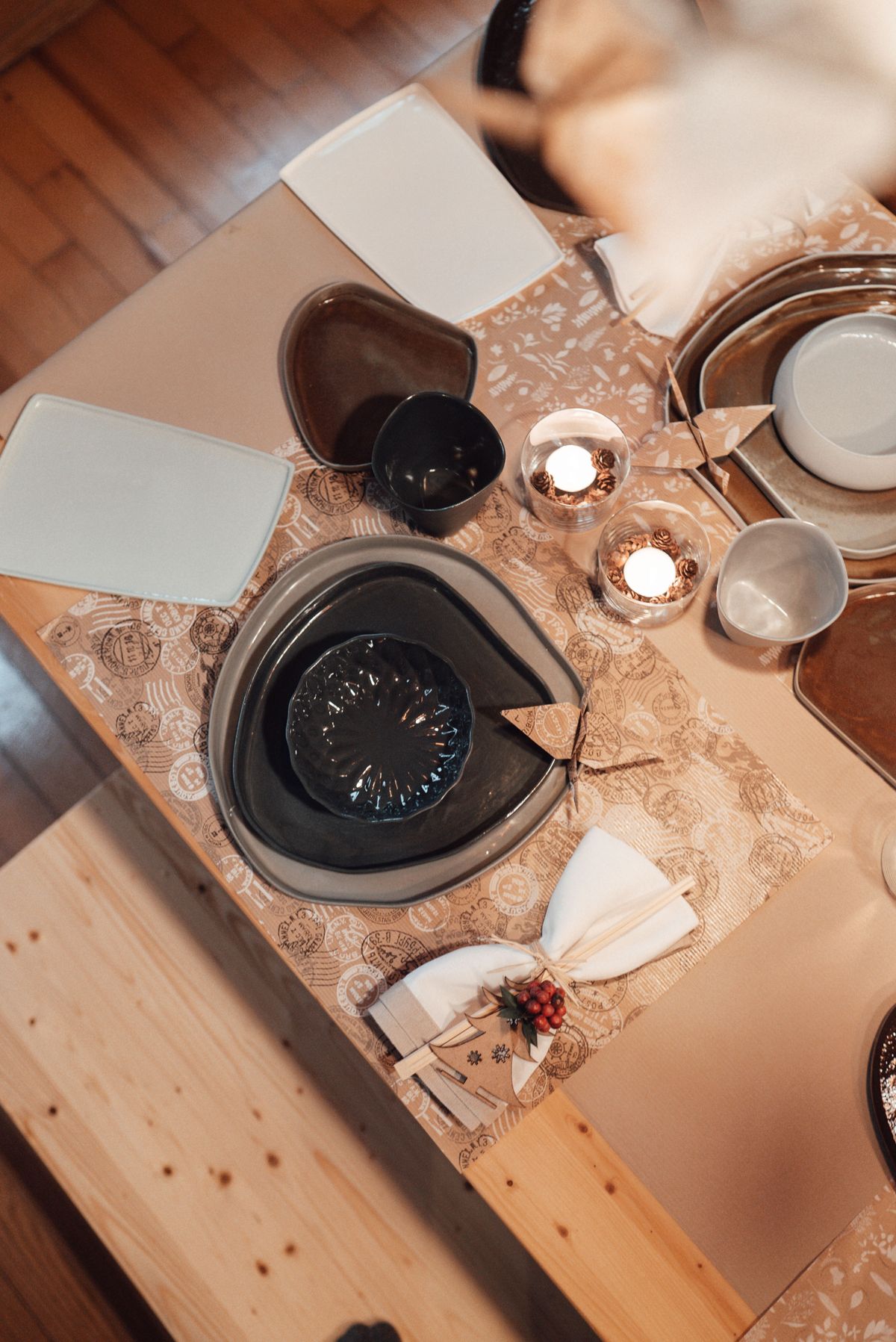
Build the table around everyday use
Start with the meals and drinks you serve most often. Everyday pieces should be easy to reach, comfortable to use, and simple to combine before you add more occasion-specific serving pieces.
Plates & Bowls
Choose shapes and quantities around your normal meals, storage space, and how many people you usually serve.
Flatware
Think about comfortable handling, daily place settings, and whether the set covers the utensils you genuinely use.
Drinkware
Glasses, mugs, and tumblers should match your most common drinks before you expand into more specialized pieces.
Serving
Platters, trays, and boards work best when their scale matches the amount of food and the surface where you normally serve.
Before you buy
Use measurements as part of the decision
Size is one of the easiest details to overlook online. A few quick measurements can help prevent cookware that crowds the stove, storage that does not fit, or tableware that overwhelms the cabinet.
Check stovetop burner space and oven dimensions before choosing larger pans, stockpots, roasters, or baking dishes.
Look at usable interior width, depth, and height before choosing cookware stacks, dinnerware, or pantry organizers.
Buy for the number of people you cook and serve most often instead of sizing everything around occasional gatherings.
Bigger is not automatically better. Leave enough space to lift, turn, stir, clean, stack, and store the product comfortably.
Need more guidance?
Still deciding between kitchen essentials?
KitchenVale customer support is available 24/7 for product questions, order assistance, delivery concerns, returns, exchanges, and general shopping guidance.