Food residue is usually easier to remove before it has dried, hardened, or sat on the surface for a long period.
Product Care
Care well, use longer
Everyday kitchen pieces stay easier to use when cleaning, drying, storage, and maintenance become part of the routine. Use this guide as a practical starting point, then follow the care instructions supplied with each specific product.

Care basics
Four habits protect most kitchen essentials
Different materials need different treatment, but a few dependable habits help reduce avoidable wear across cookware, tools, tableware, drinkware, and storage pieces.
Avoid assuming that one scrubber, detergent, or cleaning method is appropriate for every finish or material.
Allow items to dry appropriately before stacking, sealing, sheathing, or placing them back into cabinets and drawers.
Manufacturer care instructions should take priority whenever a material, coating, finish, or construction needs special treatment.

Cookware Care
Let the pan cool, then clean with purpose
Skillets, saucepans, stockpots, Dutch ovens, braziers, sheet pans, and baking dishes can differ significantly in material and finish. Start gently, avoid unnecessary abrasion, and use the care method specified for the individual piece.
- After cooking Allow cookware to cool appropriately before washing unless the product instructions specify another method.
- Residue Use warm water, suitable detergent, and a non-damaging cleaning tool when appropriate for the cookware surface.
- Stubborn spots Soak when suitable rather than immediately reaching for aggressive scraping or abrasive cleaners.
- Before storage Dry the piece thoroughly and avoid stacking in a way that can unnecessarily scratch or stress finished surfaces.
Material check
Care depends on what the product is made from
Before using a cleaning method, check the material, coating, finish, and manufacturer guidance. These general reminders help you know what questions to ask.
Use cleaning tools and utensils that are appropriate for the coating, and avoid unnecessary abrasion that could damage the cooking surface.
Use a suitable cleaner and avoid assuming that every stain needs aggressive scrubbing. Drying after washing can help keep the finish looking cleaner.
Follow the specific seasoning, washing, drying, and storage directions provided for the product rather than treating it like standard cookware.
Do not assume that soaking or dishwasher cleaning is appropriate. Follow the board's specific cleaning and maintenance instructions.
Protect edges and rims from impact, avoid sudden handling that may cause chips, and confirm whether dishwasher cleaning is suitable for the item.
Clean food-contact surfaces thoroughly, dry components before closing when appropriate, and confirm heat or dishwasher compatibility before use.
Knives & Boards
Sharpness and dryness both matter
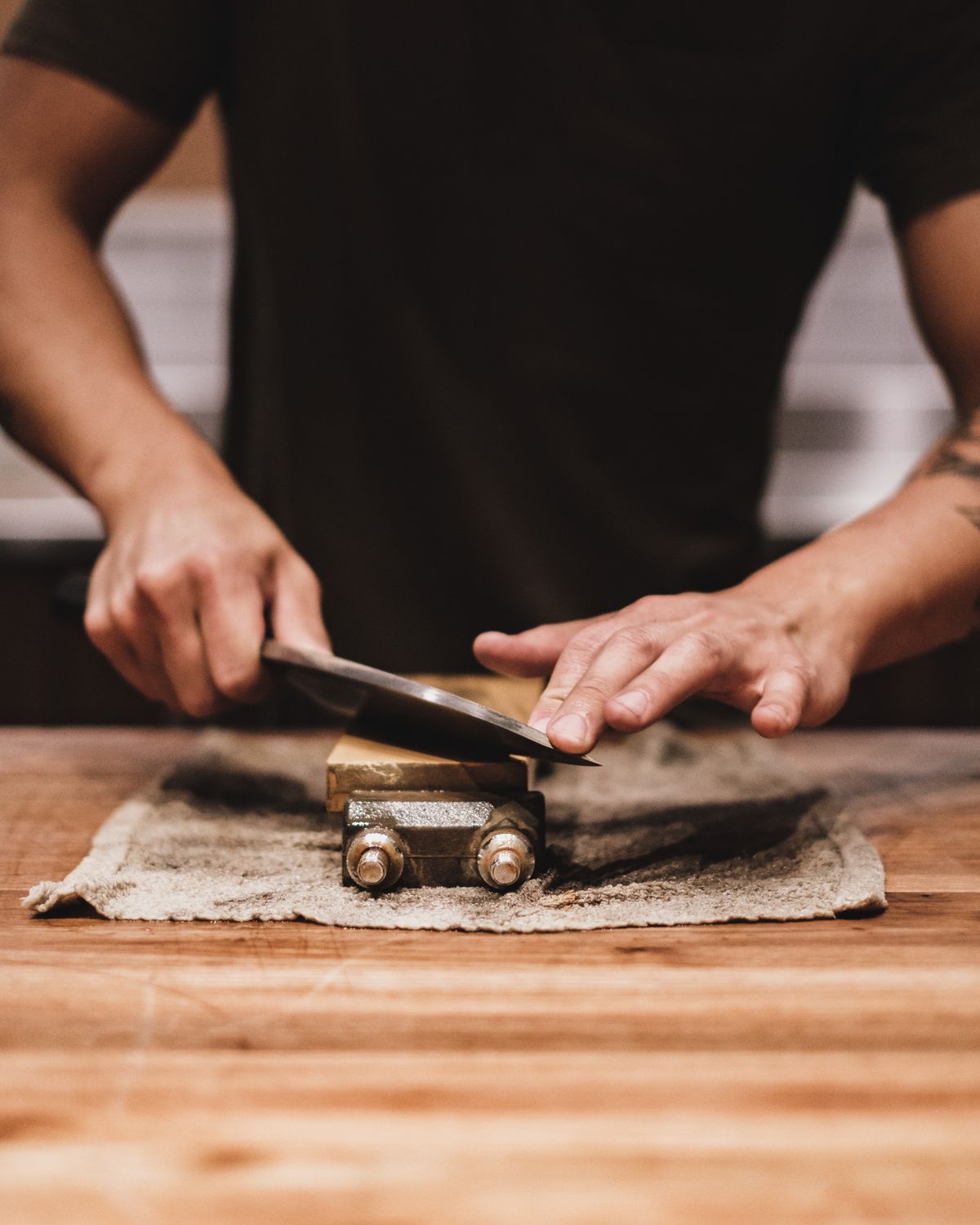
Knife care is more than sharpening. Cleaning soon after use, drying before storage, using an appropriate cutting surface, and maintaining the edge as directed can all support better everyday handling.
Wash with control
Keep the blade visible while cleaning and avoid leaving sharp knives hidden beneath other items in a sink.
Dry before storing
Dry the knife appropriately before returning it to a block, sheath, drawer system, or other storage solution.
Maintain the edge correctly
Use the sharpening or honing method recommended for the specific knife rather than applying one technique to every blade.
Respect the board
Keep cutting boards clean, stable, and cared for according to their material so the preparation surface stays dependable.
Tableware & Drinkware
Protect the surfaces you see and touch most
Plates, bowls, flatware, glasses, mugs, tumblers, platters, trays, and boards are handled often. Gentle cleaning, careful stacking, and attention to edges and finishes can help reduce avoidable chips, scratches, and marks.
- Confirm whether the specific product is suitable for dishwasher cleaning before placing it in a machine.
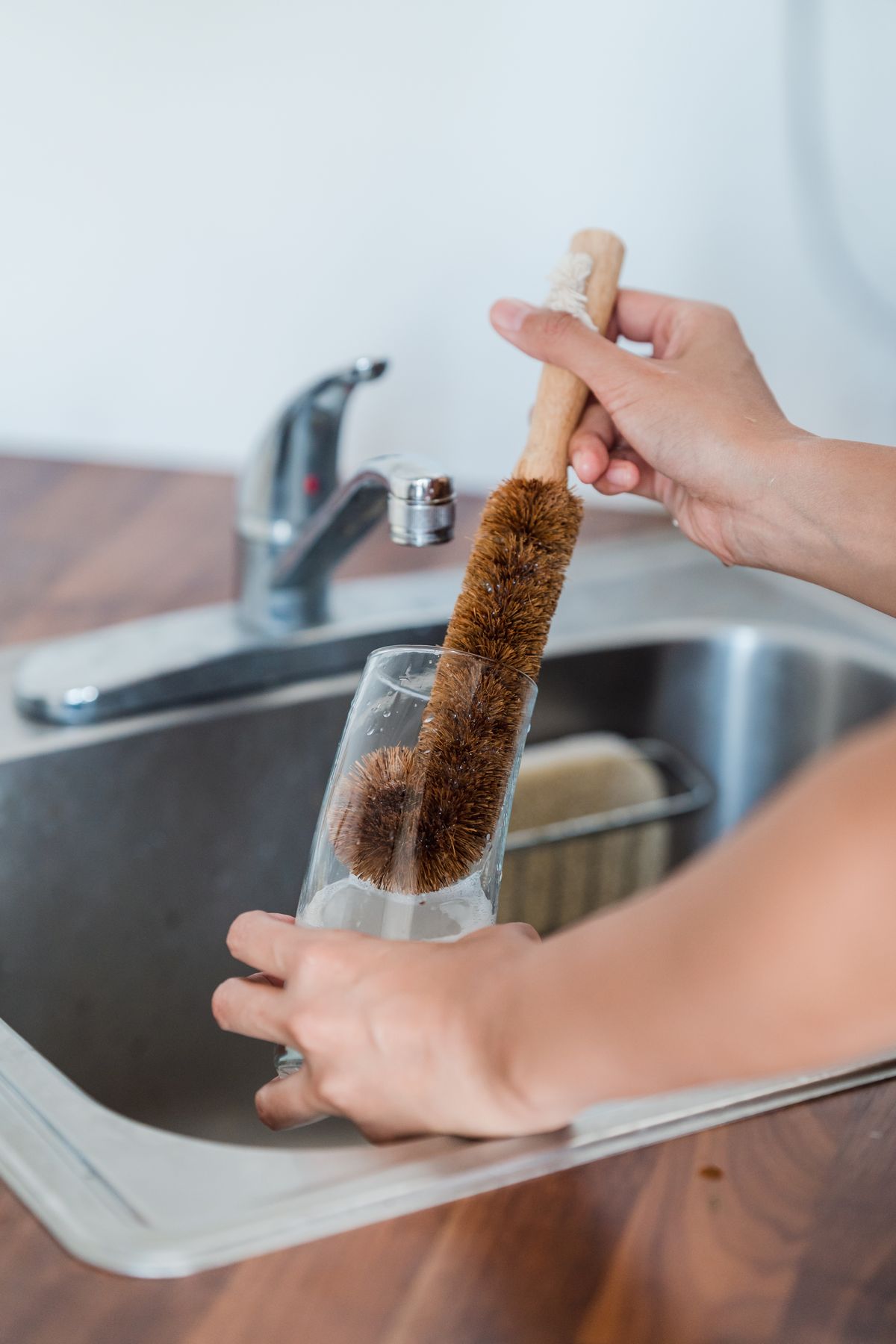
- Use cleaning tools that can reach inside mugs, tumblers, and glasses without damaging rims or interior finishes.
- Avoid overcrowding tableware during washing or storage when pieces can knock against one another.
- Allow items to dry appropriately before stacking or placing them into enclosed storage.
- Check special finishes, decorative details, or mixed materials for product-specific care requirements.
Containers & Storage
Clean the seal as carefully as the container
Containers, canisters, pantry bins, and racks work best when both the visible surfaces and the smaller details stay clean. Lids, seals, corners, grooves, and contact points deserve the same attention as the main body.
Separate removable parts
When the product is designed for it, remove lids, inserts, or seals so food-contact areas can be cleaned thoroughly.
Dry before closing
Allow components to dry appropriately before sealing a container or returning it to long-term storage.
Check compatibility first
Confirm whether the product is suitable for a dishwasher, microwave, freezer, or other temperature-specific use before exposing it.
Keep racks and bins clear
Wipe shelves, bins, and contact surfaces periodically so organized spaces do not quietly collect residue or dust.
A simple care routine
Five steps after everyday use
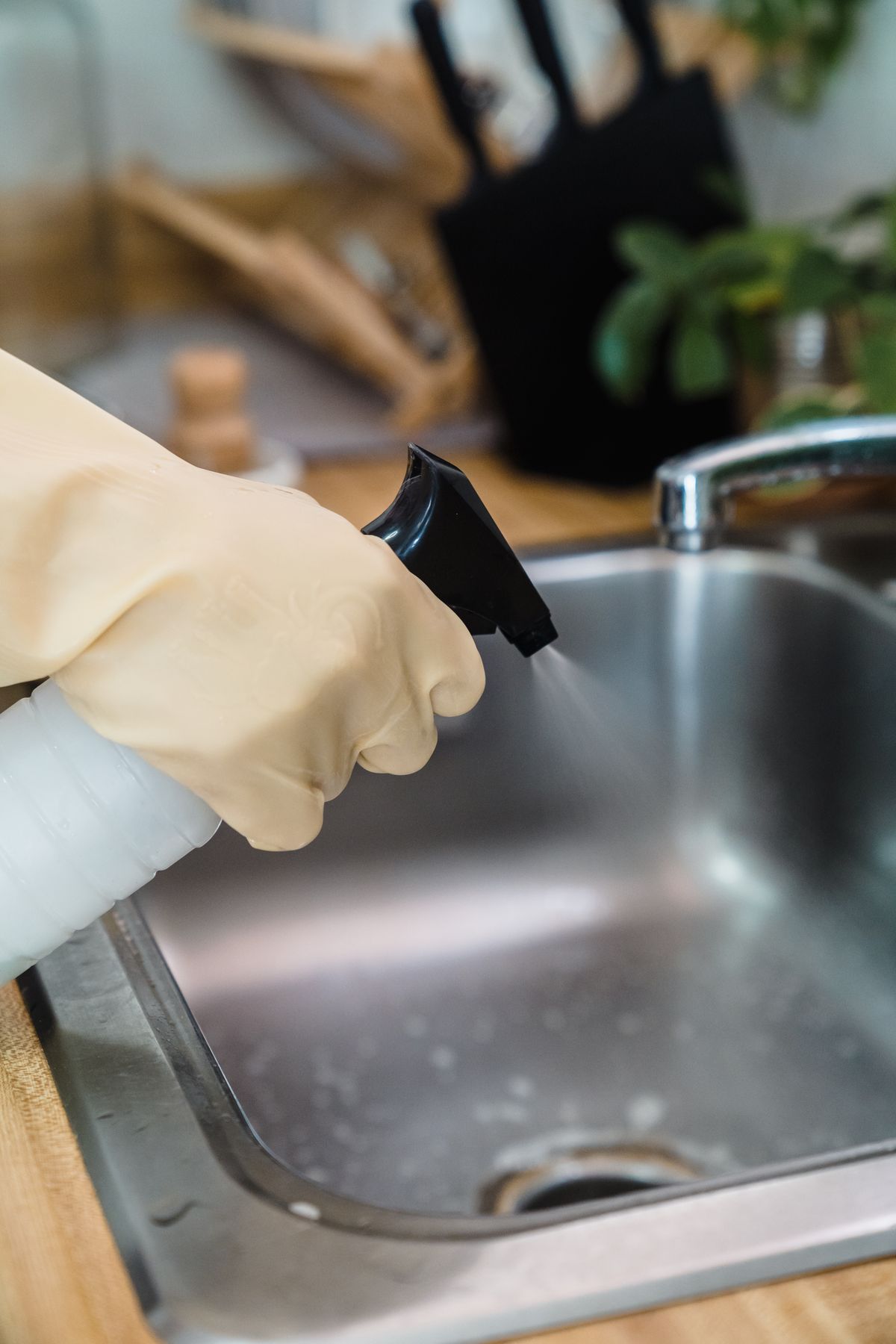
Product care becomes easier when it is built into the normal end of a kitchen task instead of saved for occasional deep cleaning.
1. Clear residue
Remove food, liquid, crumbs, or other residue before it has time to dry onto the surface.
2. Clean appropriately
Use the water temperature, cleaner, brush, sponge, or cloth suitable for the specific product and material.
3. Rinse thoroughly
When rinsing is part of the product's care process, remove remaining cleaner and residue from accessible surfaces.
4. Dry completely
Dry or air-dry as appropriate before stacking, sealing, sheathing, or putting the item away.
5. Store thoughtfully
Return the product to a place where edges, coatings, rims, handles, lids, and other vulnerable areas are not unnecessarily stressed.
The safest care advice is the advice written for the exact product in your kitchen.
The golden rule
When in doubt, check the product instructions
Materials, coatings, decorative finishes, heat tolerances, dishwasher compatibility, and maintenance needs can vary. Use this page as general guidance and follow the directions supplied with the individual product whenever they differ.
KitchenVale Support
Need help with product care?
KitchenVale customer support is available 24/7 for product questions, orders, delivery, returns, exchanges, and general assistance.